






























Warning this article contains discussion on delicate topics such as suicide. If you are struggling with any of these reach out to a trusted adult or counselor for help.
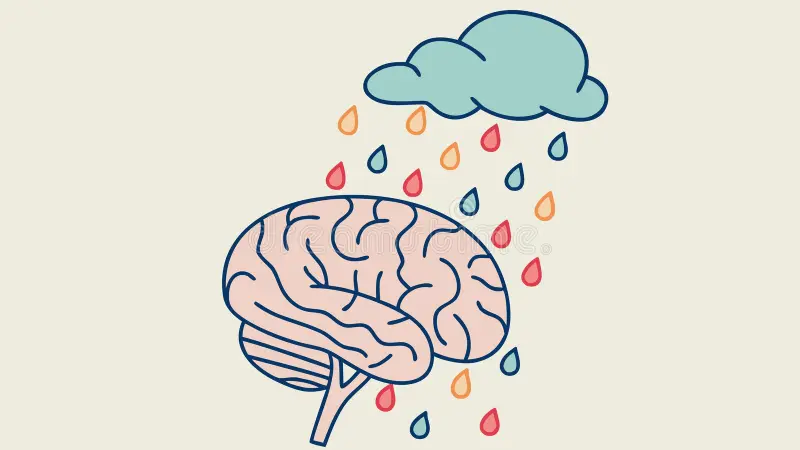
Weather can affect your mood for a variety of reasons and in a variety of ways. Depending on the weather and temperature you could feel more tired or wide awake, sad or happy. In 2013, preliminary research from the Seventh International AAAI conference outlined how temperature, humidity, atmospheric pressure, and precipitation can all play a role in your mood.
The studies showed that low mood was generally associated with, temperature extremes below 50°F (10°C) or above 70°F (21°C), high humidity, precipitation, and fog. While high mood was associated with, temperatures between 50°F (10°C) and 70°F (21°C), clear skies, high atmospheric pressure,and sunlight.
Not everyone is noticeably affected by the weather. If you’re significantly impacted, you may be considered “meteoropathic,” or “meteorosensitive.” Meteoropathy often features weather-induced, severe headaches, insomnia, poor concentration, irritability,and old injury pain flare-ups,
Studies have shown changes in weather are often linked to fluctuations in mood and behavior. For instance, weather with reduced sunlight can lower serotonin levels, which is the hormone responsible for happiness and relaxation. As seen in conditions like SAD (Seasonal Affective Disorder), certain weather exposures, like sunlight duration and temperature, can affect biological processes in the body that are associated with mood and mood affecting processes. Mood processes include… like sleep and circadian rhythm.
A study from 2024 investigated the “greenery hypothesis”, which suggests that humans respond positively to the color green because of the association with flourishing landscapes and favorable climate.
How weather can affect your mental health:
Weather can even have specific effects beyond feeling positive or negative about the day. It can have lasting mental health impacts, contribute to stress, and may even make you more aggressive.
Seasonal Affective Disorder (SAD), which is a condition characterized by low mood, fatigue, and lack of motivation, and even symptoms of depression aligns with the winter or summer months. Scientists and Researchers aren’t clear on the exact causes of SAD, but the way weather affects certain biological processes in the body is suspected to play a part. Shorter days and less sunlight in the winter months, for example, can alter levels of certain hormones and chemicals in the body associated with mood, sleep, and circadian rhythm regulation.
Stress occurs when your body faces a challenge, and extreme weather can stress the body both mentally and physically. Not only does your physical body have to adapt to being hot or cold, but you also have to mentally adapt to weather changes.
If you’re in a flood zone, for example, heavy rain might naturally cause some anxiety. Or, if you had important travel plans, certain weather conditions might cause stressful delays.
Hot temperatures appear to be linked to higher rates of aggression in what’s referred to as the “heat hypothesis.” This theory suggests that being hot can promote aggression through:
- discomfort
- impaired cognitive function
- competition for local resources, such as water
One study from 2018 found rates of violence increased alongside temperatures. In addition, a study from 2023 in South Korea found that hotter temperatures were linked to an increase in the number of assault related deaths.
Weather can also create feelings of loneliness, separation, and a loss of identity.
For reasons unknown, suicide rates increase during the spring and early summer months, according to research. Experts believe this finding may be linked to:
- sunlight-induced changes in brain chemicals
- temperatures triggering mood episodes in mental health conditions like bipolar disorder
- compounded brain inflammation from seasonal environmental exposures, such as higher pollen counts.
Tips for working with the weather:
Although you are unable to change the weather there are certain things you can do to reduce its effects on your mood.
Some tips to help you cope with weather-related mood changes are:
- watching the weather forecast so you can prepare for weather changes beforehand
- practicing gratitude to promote a positive mindset regardless of the weather
- keeping track of symptoms that could be related to weather so you can pinpoint specific weather changes that affect your mood the most, such as humidity, temperature, precipitation, etc.
- adding daily stress reduction exercises and wellness strategies such as meditation, mindfulness, or participating in hobbies
- creating a cozy/safe space in your home where you can enjoy indoor hobbies when the weather restricts what activities you are able to do
Conclusion:
In conclusion it’s natural for the weather to be affecting your mood once in a while, especially if it ruins plans or makes going out uncomfortable.
Keeping an eye on the forecast, being proactive about mental wellness, and ruling out underlying medical conditions can help you cope with weather-related mood changes.
If weather is significantly impacting your mood, your doctor may be able to help. Not only can your doctor assess possible underlying medical conditions, but they can also discuss other therapy options, like phototherapy, that might make a difference.
Sources:
Dziemianko, Klaudia. “Weather and Mental Health – Change Mental Health.” Change Mental Health – A Future Where No One Needs to Face Mental Illness Alone, 4 Aug. 2025, changemh.org/resources/weather-and-mental-health/.
Gillette, Hope. “Does Weather Affect Mood?” Edited by Danielle Wade, Psych Central, Psych Central, 26 Apr. 2024, psychcentral.com/health/can-weather-affect-your-mood#climate-change.