





























As soon as you walk near the Legacy bathrooms, you’ll immediately smell the sickly sweet scent of the vape fumes wafting through the bathrooms, mixed with smells of perfume and cologne masking the vape smell. But why are students still participating in this unhealthy habit when it is a clear fact that it can be dangerous?
Long Term Effects
The three main side effects of using an e-cigarette, or even smoking in general, are organ damage, breathing problems, and addiction. Cleveland Clinic explains that some effects can be:
- Asthma – more likely to obtain asthma and existing asthma will get worse.
- Lung scarring – Diacetyl, a chemical often found in vapes can cause Bronchiolitis obliterates, or scarring.
- Heart and Brain damage. Specifically, it can narrow arteries and slow blood pressure.
- EVALI – a serious condition that can be fatal. Includes shortness of breath and dizziness.
- Second hand exposure – people around the user can also be impacted by these effects.
- Explosions – some e-cigarettes have been known to explode.
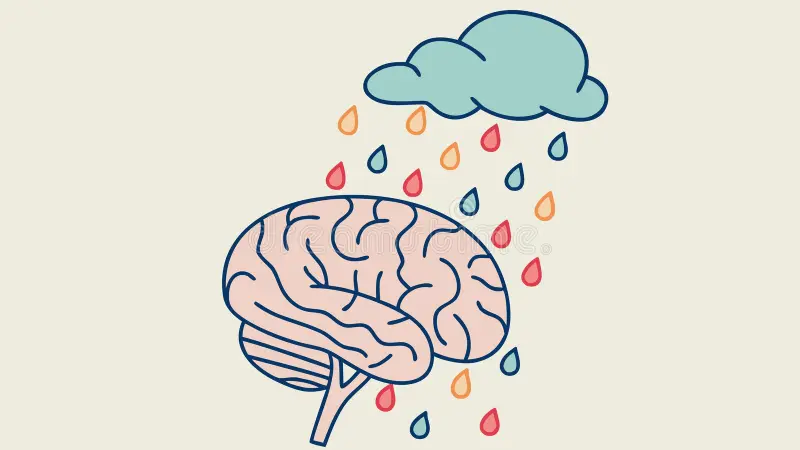
Additionally, nicotine is known to dysregulate activity in the brain’s neuronal circuits in individuals younger than 20. Since their brains have not fully developed, constantly taking in these chemicals can mess up how their brain functions for the rest of their lives. These fumes can affect the prefrontal cortex, the decision-making part of the brain, and neurotransmitter systems that are essential to producing and transporting chemicals such as serotonin and dopamine.
Addiction
Nicotine, the primary chemical produced by vapes, has two ways of effecting the body. One is by activating the reward processes in the brain. Just as eating food or socializing can feel good, nicotine will do the same thing. The second way is by hijacking the brain, making the body crave more of this chemical so that more and more is ingested (Versace, 2024).
Addiction not only can affect the body but the mind too. While drug usage and addiction is not the cause of anxiety or depression, it has been clinically proven that it definitely triggers these conditions (NIH, 2020). Additionally the stress of hiding vapes or gaining access to vapes can put a toll on students’ mental health and performance in school.
Takeaways
Ultimately, 10.1% of high school students reported using vapes or cigarettes this year. That of course doesn’t account for the teenagers who haven’t said anything. While it is popular to be participating and it can help with stress, there are too many disadvantages to vapes to not say anything about it. Since not a lot can be done to prevent the usage of nicotine in schools, it has to be the users decision to say no.
Works Cited
Cleveland Clinic. “Vaping (E-Cigarettes).” Cleveland Clinic, 2022, my.clevelandclinic.org/health/treatments/21162-vaping.
“Results from the Annual National Youth Tobacco Survey (NYTS).” U.S. Food and Drug Administration, 2025, www.fda.gov/tobacco-products/youth-and-tobacco/results-annual-national-youth-tobacco-survey-nyts.
“Smoke Inhalation and Its Effect on the Lungs.” Revere Health, 2017, reverehealth.com/live-better/smoke-inhalation-effect-lungs/.
Versace, Francesco . “Vaping and Your Brain: What to Know.” MD Anderson Cancer Center, 19 Apr. 2024, www.mdanderson.org/cancerwise/vaping-and-your-brain-what-to-know.h00-159696756.html.