









Each culture has unique traditions for the winter holiday season, which makes this time of year so special but also so different looking around the world. This holiday season grow your appreciation for both the similarities and differences in the holiday traditions around the globe.
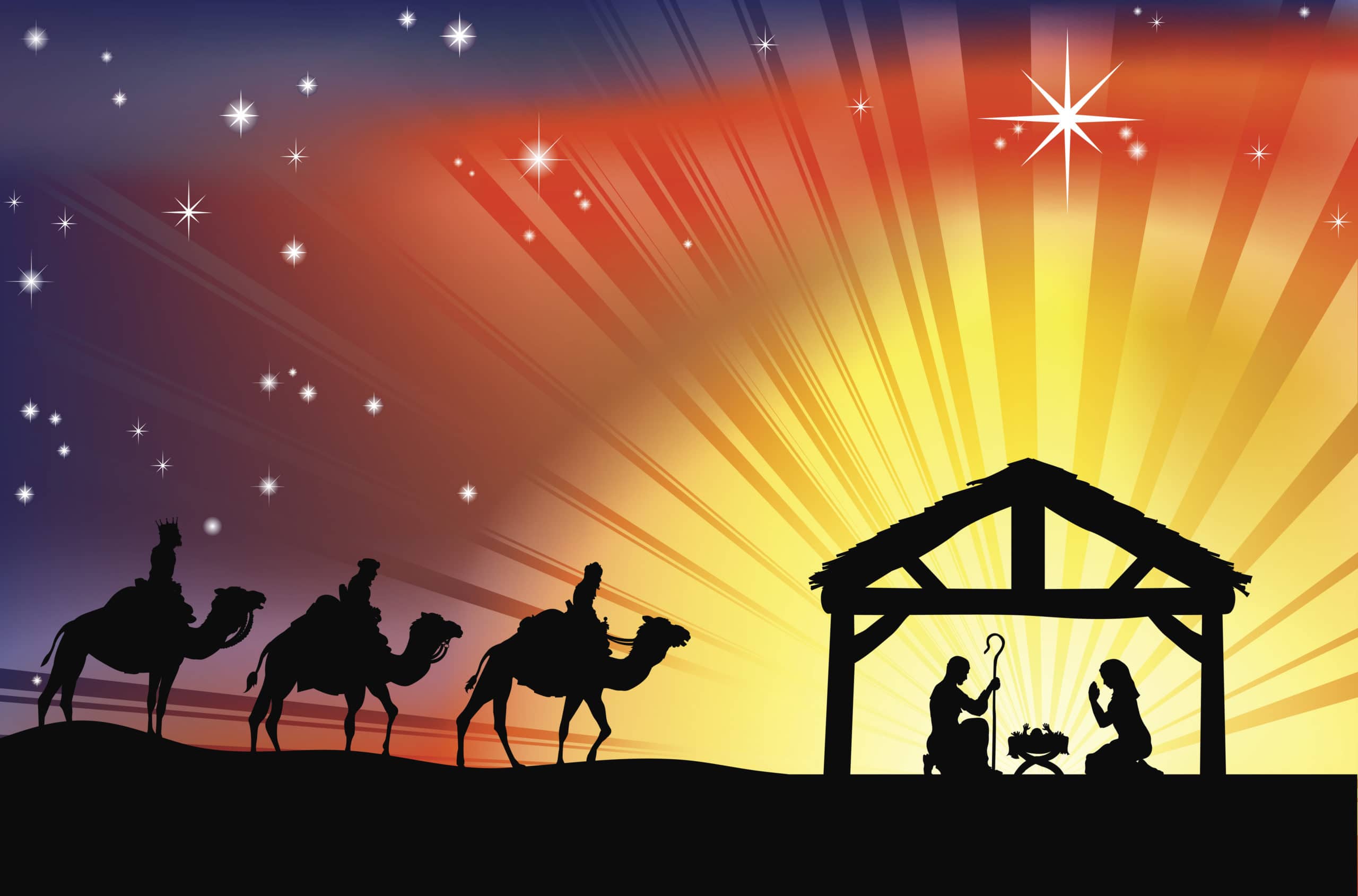
Illustration of traditional Christian Christmas Nativity scene with the three wise men
Three Kings Day
Most people have heard of the 12 days of Christmas. Contrary to popular belief the 12 days of Christmas are actually the 12 days following Christmas starting on Christmas Day. The twelfth day of Christmas (celebrated on January 6) is known as Three Kings Day, symbolizing the day in the Holy Bible when the wise men arrive to meet baby Jesus.
The wise men were said to have arrived on camels, children tend to leave grass, carrots, and other snacks for the animals the night before the holiday. In Spain many young children also set their shoes by the front door for the wise men to fill with presents as they make their way through town to meet baby Jesus. In Mexico, families normally celebrate with a larger meal that ends with a loaf of sweet bread with a small baby figurine tucked inside one of the slices. This tradition is similar to the King’s Cake at Mardi Gras.
Although Three King’s Day originally started in Spain and Latin America, Three Kings Day is celebrated by Christians worldwide.
:max_bytes(150000):strip_icc()/CD_9054-christmas-pudding-e27cbc586e214a8887bc505e93e708fd.jpg)
Photo by: Carson Downing
Christmas Pudding
At the end of Christmas dinner in the United Kingdom, it’s tradition to pour brandy, a type of distilled wine, over a traditional Christmas pudding, then you proceed to light the dessert on fire. As the pudding burns the head of the household carries the dessert around the house as everyone else at the table follows them in the order of oldest to youngest. Normally, families will sing the verses of We Wish You a Merry Christmas as they march around the house. They continue this until either the song is over or the flames die out.
Luckily the alcohol in the brandy burns off of the cake, making it safe for everyone to enjoy a slice of pudding afterward.
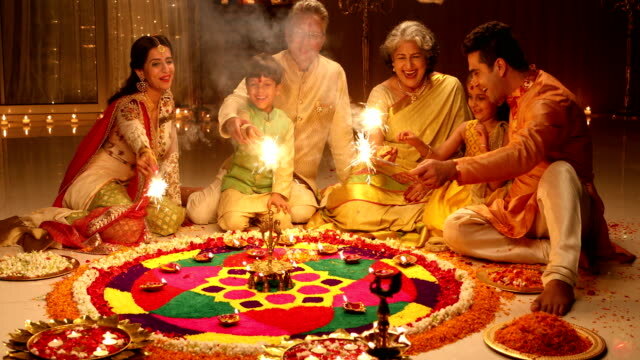
Photo from article by Zora Wang
Diwali
Diwali, also known as The Festival of Lights, originated in India. In the modern day, it is celebrated by over a billion people around the world. The reasons for celebrating Diwali vary, especially across the three religions and regions in India.
When Diwali first starts, prayers are offered to the goddess of wealth and good fortune Lakshmi.
The five day festival celebrates good prevailing over evil and the triumph of light over darkness. The holiday is celebrated with traditional foods such as ladoo, a popular ball shaped dessert, and samosas, a savory triangular pastry snack, there’s fireworks and lantern displays. In India, Rangoli, an Indian art form that involves arranging colorful sand or rice into intricate patterns, is a traditional part of the festivities. Commonly families will inherit their own specific patterns for Rangoli, comparable to a family crest.
The holiday aligns with the lunar calendar and it usually takes place in October or November. It is a major cultural event for many and comes to a climax for Hindus specifically on the third day, which is the darkest day under the lunar month of Kartika.
Germany Christmas Markets: a festive road trip through fairy
Christmas Markets
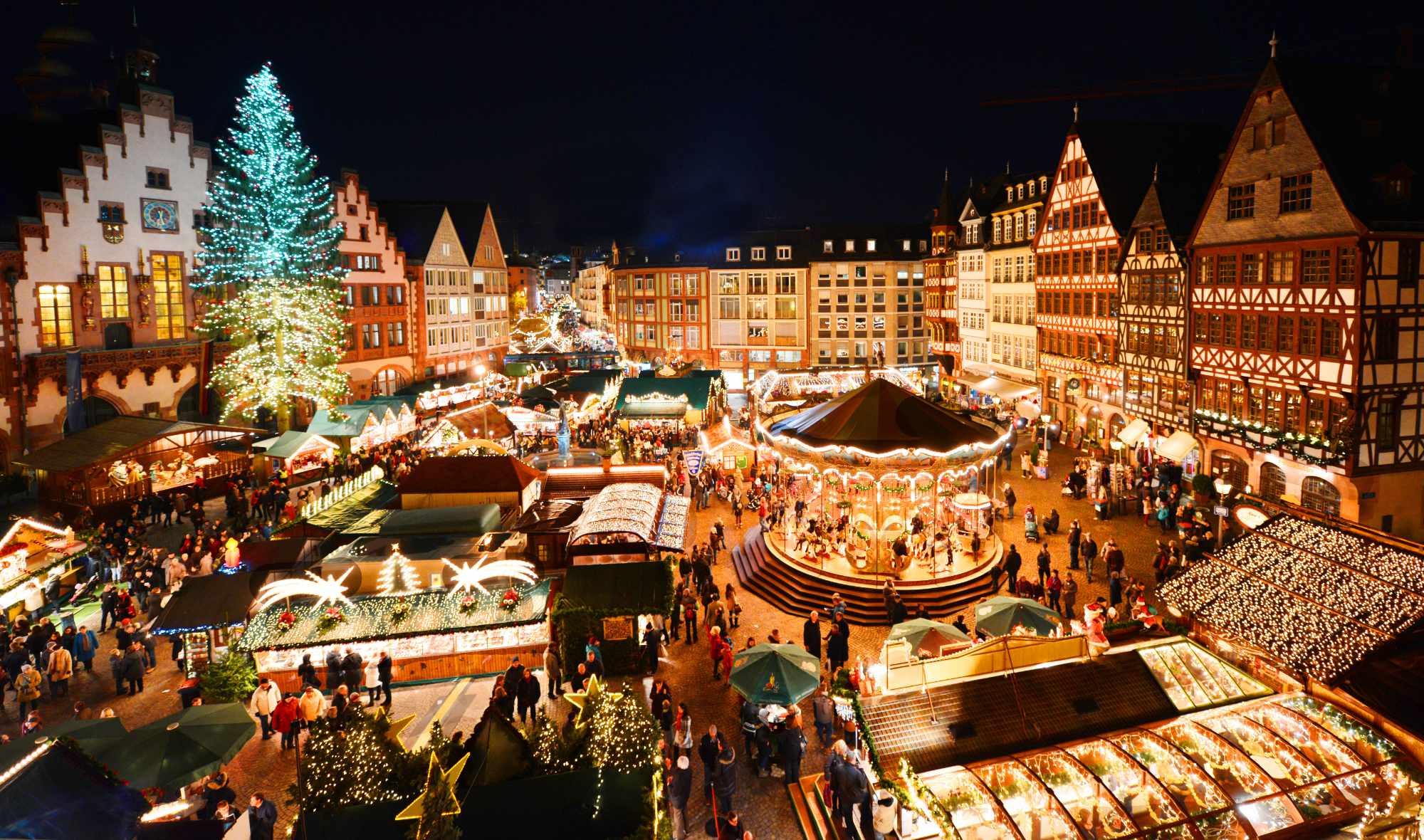
While most people associate Germany with Oktoberfest celebrations, in Germany there’s another large holiday gathering that is just as popular.
For hundreds of years ever since the late middle ages, towns across Germany have celebrated the holidays with their famous Christmas Markets, known as Weihnachtsmarkt or Christkindlmarkt. This tradition has spread across Europe over centuries and even to North America.
Here in the United States there are over 15 traditional German-style Christkindlmarket, that is held annually, with some of the largest and most popular in Chicago, Carmel (IN). Bethlehem (PA), and our very own Denver.
In the weeks leading up to Christmas, each large city holds its own outdoor market at night for the Christkindlmarket. Guests can enjoy a variety of traditional cultural German food and drink, such as glühwein, a warm spiced wine, roasted chestnuts, and various pastries like christstollen, fruit bread, and bethmännchen, a pastry with marzipan. As well as the delicious foods local artisans sell intricate Christmas ornaments, decorations, handmad clothing, and other pieces of artwork.
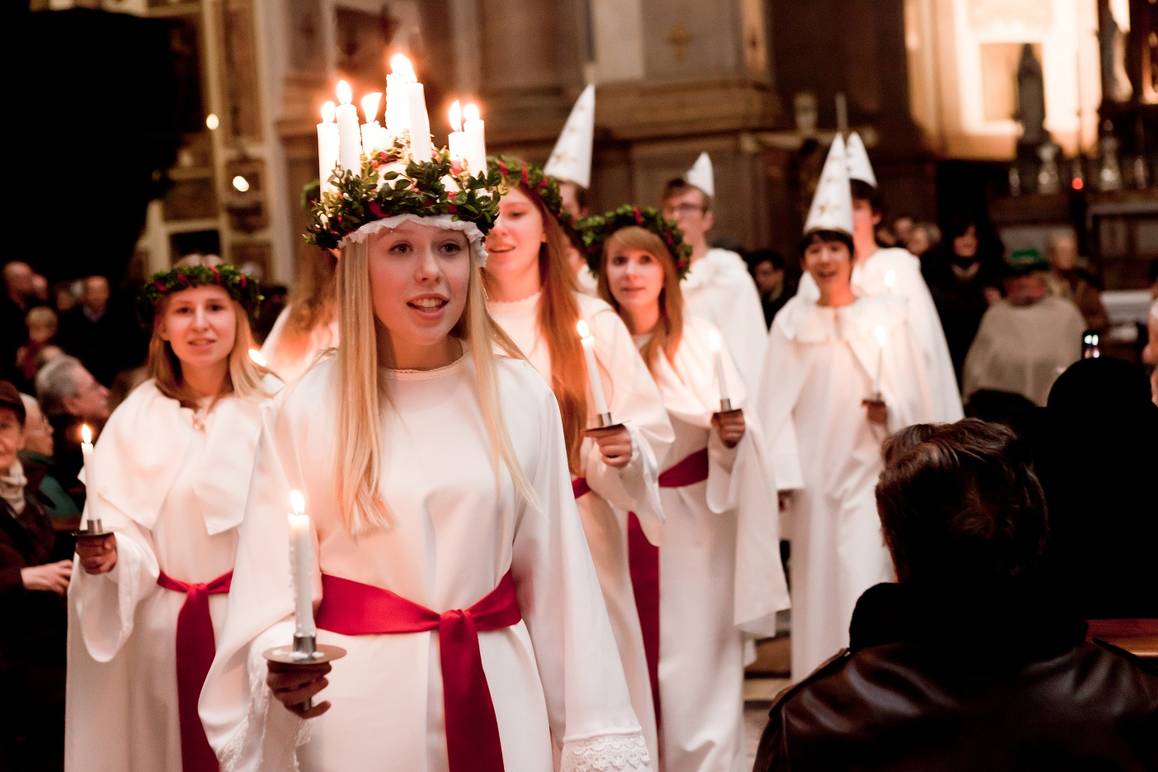
Photo by: Luca Pradella
Santa Lucia Day
In Sweden and various locations in Italy, December 13 is recognized as the start of the Christmas season, also known as Saint Lucy’s Day or the Santa Lucia Festival. This tradition celebrates St.Lucy, and Italian Christian martyr who died in the early 4th century.
St.Lucia was killed for keeping to her faith by bringing food to Christians who were hiding in Roman catacombs. To keep her hands free, she wore candles in the shape of a wreath on her head.
For the festival, a young girl is chosen to represent St.Lucia. During the procession, the chosen girl wears white with a red sash and is followed by younger children dressed in white and carrying candles.
In many Swedish families, the oldest daughter wears a white nightgown, red ribbons, and a crown of candles on her head. This symbolizes being a light in the darkness as she leads a procession in the morning before the family has a large breakfast all together.
A key food for celebrating is the lussekatter, which are Swedish saffron buns. A common argument between Swedes is whether or not raisins on the buns are traditional or not, since most people simply take them off.

Photo found in an article by Alison Ensign
Boxing Day
Many countries that have ties to the British Empire such as Canada, Australia, New Zealand, and The United Kingdom celebrate Boxing day on the day following Christmas. The name for the day comes from a centuries old tradition of handing out boxes that contain money or small gifts as a type of tip for one’s employees or those in service jobs. This tradition started in the 1600s, and while it’s no longer traditionally celebrated this way, the name remained.
Today, Boxing Day is one of the biggest shopping days of the year, equal to Black Friday in the US.

Photo by: Blueenayim/Getty Images
The Festival of Lights also known as Hanukkah
The eight-day celebration of Hanukkah is a Jewish holiday that commemorates the rededication of the Holy Second Temple in Jerusalem. The name Hanukkah, or Chanukah, means dedication in Hebrew.
It started in the second century BCE, when a group of Jewish people known as the Maccabees rebelled against the Seleucid Empire that had been forcing their community to worship the Greek gods and had defiled an important temple. The Maccabees defeated the Greek army and reclaimed their place for worship. However the group only had enough oil to light the temple’s menorah (a candle holder with seven candles) for a single day, miraculously the oil lasted for eight days.
The eight days of Hanukkah represents this miracle and celebrate the Jewish faith. In either November or December, families recognize each night of Hanukkah by lighting a single menorah candle together, exchanging gifts, and eating traditional foods such as babka, a braided sweet bread, latkes, which are potato pancakes, and rugelach, which are small, crescent shaped pastries or cookies that are filled with sweet fillings.
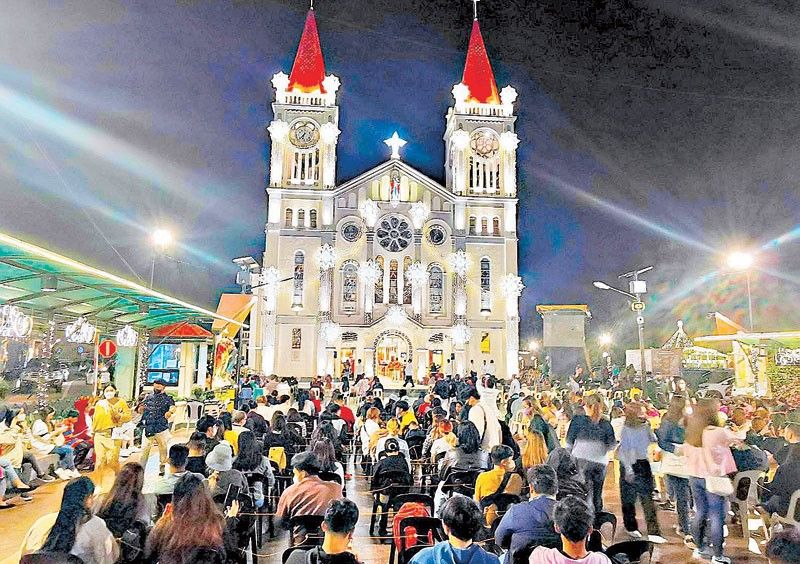
Photo by: Fernando Zapata Jr.
Simbang Gabi
In the Philippines, the nine days leading up to Christmas are commonly celebrated with daily Catholic mass, known as Simbang Gabi. This tradition begins on December 16. The masses are held at a different time each day, some are held in early morning hours, as early as 3 a.m., while others are held throughout the day and into the night. The early hours are to align with when the rooster crowed in the day. This practice was introduced by colonial, Spanish missionaries at the start of the forceful colonization of the Philippines.
For the nine days churches are often decorated with lights and lanterns to greet the churchgoers, with a Nativity scene on display. Shortly after each mass session, food stalls are set up outside the church selling treats such as bibingka, a baked rice cake, and coffee. On Christmas Eve there is a special service called Misa de Gallo which translates to Midnight Mass. This service is held at midnight to celebrate the birth of Jesus.
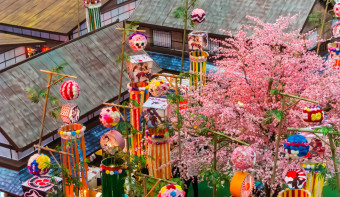
Photo from: Pixabay. CC0
Omisoka
The Japanese New Year, also known as Omisoka, is celebrated on the last day of the year. The holiday is centered around purification and a fresh start for the year ahead, typically celebrated by deep cleaning your home, bathing, and repaying debts before relaxing with friends and family for the last few hours of the year.
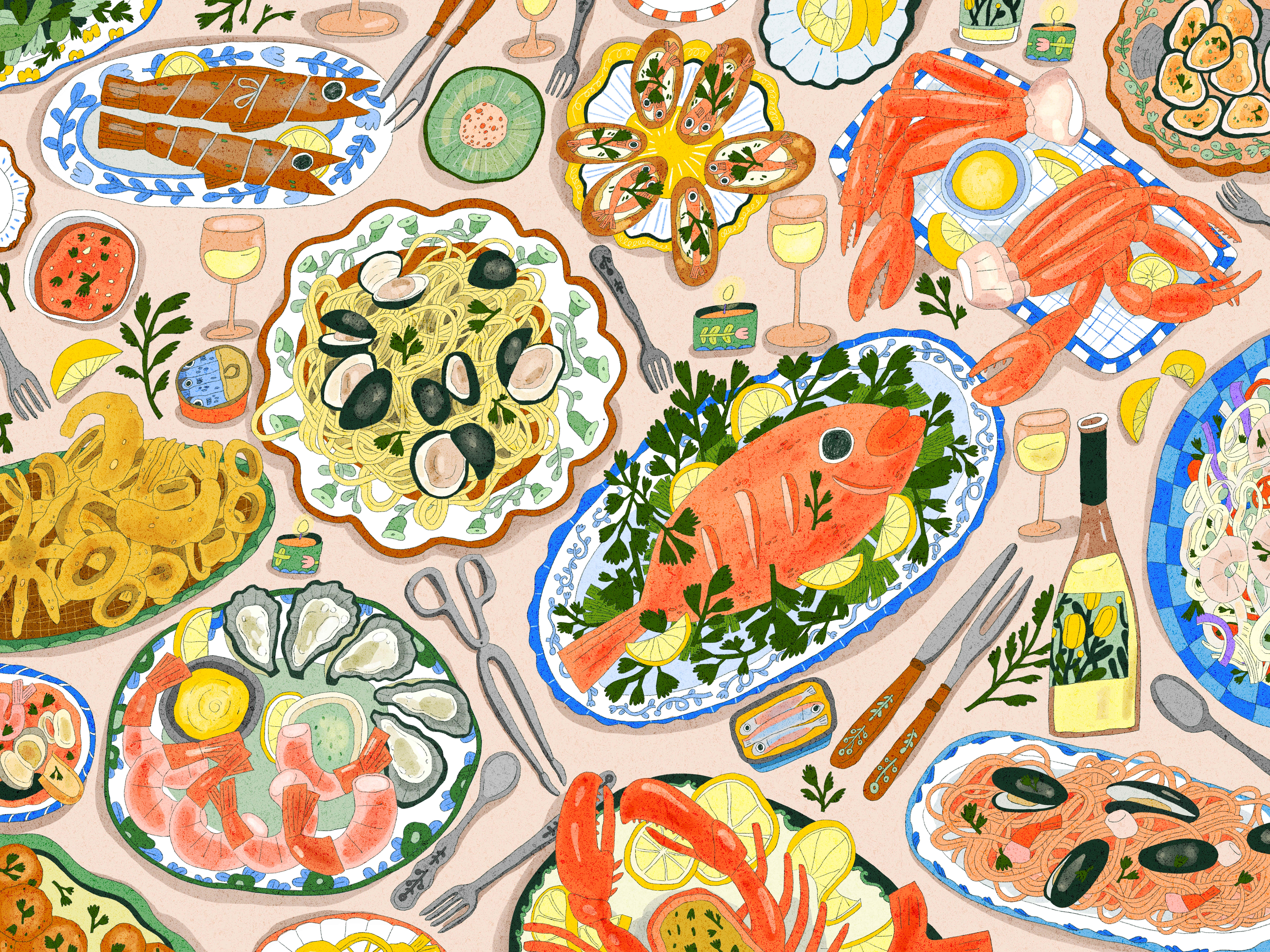
Photo by: Ruthy Kim
Feast of the Seven Fishes
For Italian Americans it’s common to host a seafood feast on Christmas Eve. This feast is commonly known as the Feast of the Seven Fishes. In Italy, Christmas Eve is also known as La Vigilia (The Vigil) and people fast from eating meat until the main dinner on Christmas Day. This tradition is based on a Roman practice of not eating meat and dairy on the eve of important holidays. Current day Italian American families have rekindled the celebration of this ancient tradition, and it is now considered one of the oldest, practiced Italian traditions. Unfortunately the tradition still remains unfamiliar to many Italians living in Italy and other countries.
The Christmas Eve feast consists of seven different seafood dishes, which is where the practice gets its name.The seven varieties of seafood are said to represent the importance of the number seven in the bible, such as the seven Sacraments of the Catholic Church, although having exactly seven dishes is not required. Other popular foods are panettone, a dome shaped sweet bread, and pandoro, a traditional star shaped sweet bread.

St. Nicholas Day
This holiday is celebrated worldwide, but started in northwest Europe, as St.Nicholas is the patron saint of Russia and Greece. Santa Claus originated from his life and the celebration.
In Belgium, Netherlands, Czech Republic, and other areas, children set their shoes out on the evening of December 5th in hopes that St.Nicholas will fill them with small gifts and coins. The day represents the good deeds that St.Nicholas was known for. It’s said that during his lifetime, he sold all his possessions in order to aid people in need. Back then, people used to leave their shoes by the fire at night to dry them out. As people slept, St.Nicholas would sneak in and fill the shoes with money or food.
For that reason, the day is also associated with acts of service. It’s tradition for families to spend the day volunteering or doing good deeds for members of their community.
:strip_icc()/kwanzaa-candles-1d9913e9cee242efb4ce9647a047075a.jpg)
Credit for photo: Sue Barr/Getty Images
Kwanzaa
Kwanzaa was founded in the US in 1966 by Black nationalist Maulana Karenga to unite and empower Black Americans, and is primarily celebrated in the US and the Caribbean. The holiday is modeled after traditional African harvest festivals. Though some of it’s practices have roots in Southern African culture, Kwanzaa is a celebration of migratory African families, community, and culture.
The celebration takes place over the span of seven days and begins the day after Christmas, lasting until the new year, with each day representing principles, known as Nguzo Saba, honoring faith, family, and community.
Kwanzaa is a cultural holiday rather than a religious one although it does have a rather spiritual significance.
The first day is known as Umoja (oo-MOH-JAH) which represents unity. For this celebration families gather to light the black candle of the Kinara, discuss the importance of unity in life, share a meal, and perform special rituals such as pouring libations from the Unity Cup to honor ancestors and strength family, community, and racial bonds. Ultimately this day is all about reinforcing the principle of togetherness and strength in unity.
Kujichagulia (koo-ji-chah-goo-LEE-ah) which is the principle of self-determination. Kujichagulia is celebrated on the second day of Kwanzaa by lighting the second candle, the red one, on the Kinara. On top of lighting the candle you also talk about defining your own identity and goals, and perform activities such as supporting Black-owned businesses, creating artwork, or sharing family traditions to affirm your freedom and cultural pride. It’s a day dedicated to personal and collective power to shape your future.
Ujima (oo-JEE-mah) is celebrated on the third day of Kwanzaa and is the principle of collective work and responsibility. To celebrate Ujima you focus on building and maintaining your community by taking care of projects together. A few examples of projects are a neighborhood clean-up or a coat drive for those less fortunate. On this day you also share your responsibilities, mentor youth, support local businesses, and have conversations about how to solve and or tackle community problems collectively, all while lighting the green candle to symbolize shared commitment.
Ujamaa (oo-jah-MAH) which takes place on the fourth day of Kwanzaa is all about cooperative economics. On this day you focus on building community prosperity by supporting Black-owned businesses, creating your own business ventures, talking with others about financial literacy and responsibility, and investing in community based economic growth plans, also often lighting the second red candle and all while fostering economic self sufficiency.
Nia (NEE-ah) which as you may have guessed by now is celebrated on the fifth day of Kwanzaa. Nia is all about the value of purpose. To celebrate this day families light the green candle on the right of the black candle. Families will also reflect on personal and communal goals, discuss plans to build and defend their community’s culture, create intentions for future action, and honor their ancestors legacy, most commonly through storytelling, poetry, and or shared meals focused on betterment and repair.
Kuumba (koo-OO-mbah) which is the value of creativity is celebrated on the sixth day of Kwanzaa. On this day families will light the third red candle and focus on using your creative skills to make your community more beautiful. you achieve this through activities such as art, music, storytelling, gardening, problem-solving, and or hosting a festive feast known as Karamu, which simply means feast, to share food, dance, and overall culture. The intention of this day is to leave your surroundings better than they were before, with an emphasis on collective improvement and well-being.
The seventh and final day of Kwanzaa is known as Imani (ee-MAH-nee). this day is centered around the principle of faith. On this day you light the final candle, reflect upon past struggles and hopes for your future, you affirm your belief in oneself and your community, and engage in traditional celebrations that strengthen spirituality and commitment to progress, often including a special feast called Karamu Ya Imani, which means Feast of Faith, and having a meaningful gift exchange known as Zawadi, which means gift or present. This day is all about having unwavering faith in both yourself and your community’s potential.
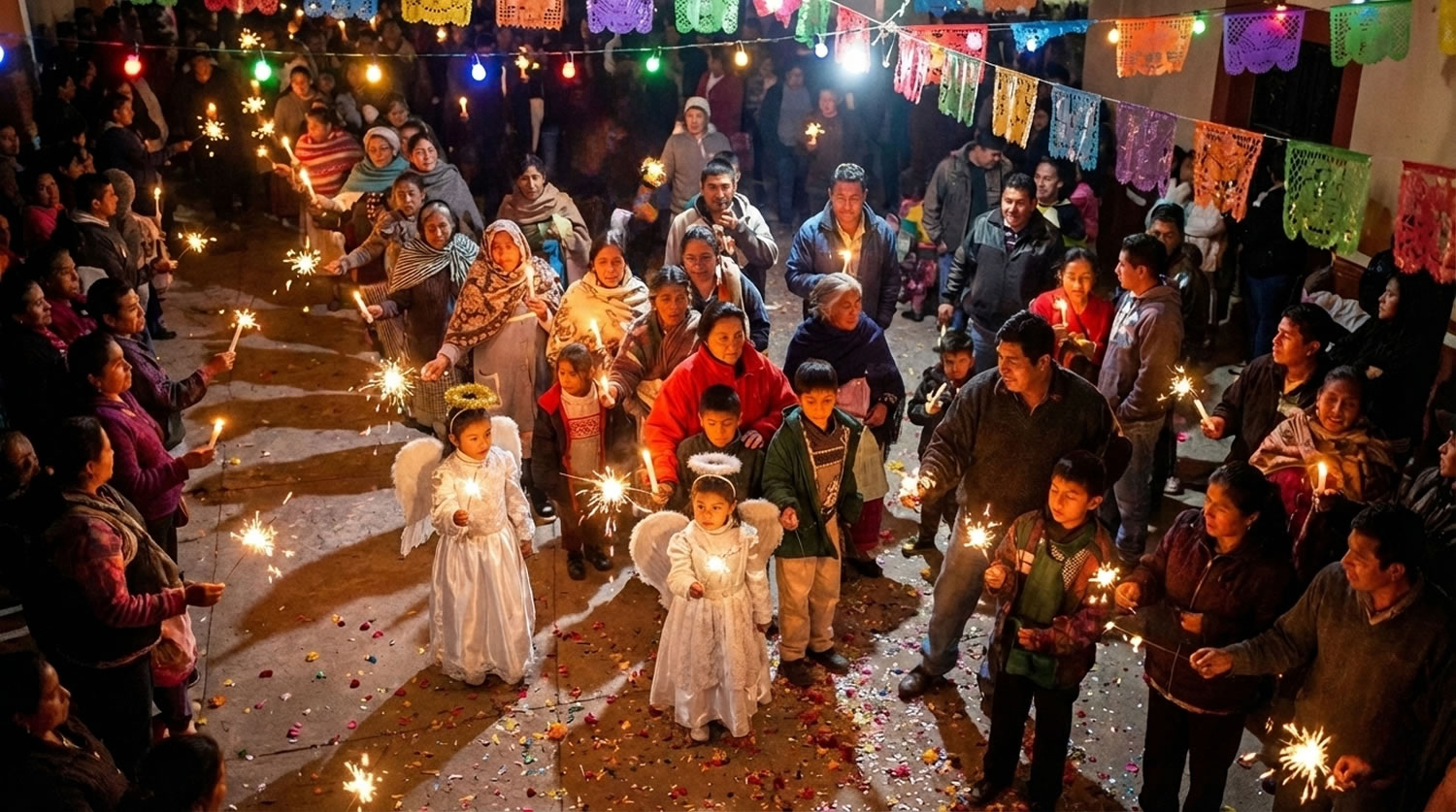
Photo found in article by Arion Díaz
Las Posadas and Las Navidad
Las Posadas originated in Spain, and was brought to Latin America during colonization and has been celebrated in the Americas since. The nine days of the holiday commemorate the nine months Mary was pregnant with the baby Jesus. It also honors Mary and Joseph’s rough journey from Nazareth to Bethlehem. The religious festival lasts from December 16 and finishes on December 24 in Las Navidad.
La Noche Buena, also known as Las Navidad, is a Christmas Eve celebration that has roots in Mexico but is also celebrated in Spain and many other areas of Latin America. Typically, Las Navidad consists of a celebration with a large dinner feast and a midnight mass called the Misa del Gallo, or midnight mass. Children are usually given gifts after the midnight mass as the evening officially turns into Christmas Day. While many families celebrate on Christmas Eve, in other areas, Las Navidad takes place over multiple weeks, from mid-December through January 6.
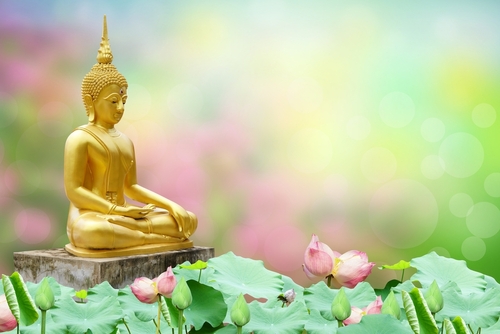
Photo found in article on Remitly
Bodhi Day
People who practice Buddhism celebrate Bodhi Day every December 8th. The day honors Buddha’s enlightenment, which is said to have taken place under the Bodhi tree, which is how the holiday got its name.
The holiday is most commonly celebrated in China, Korea, Japan, and Vietnam, though Buddhists worldwide celebrate it. On the day people practice meditation and acts of kindness.
While many vary in the traditions and ways of celebrating many holidays focus on the triumph of light over darkness or on goodness. Whether you celebrate Christmas or Kwanzaa. Hanukkah or St. Nicholas Day. I wish you all a holiday season filled with happiness and traditions!
What traditions does your family celebrate? Make a comment and share any of the traditions above as well as other holiday traditions your family practices.
Citations:
GermanHeritageUSA. “Traditional German Christkindlmarkt’s across America.” Traditional German Christkindlmarkt’s Across America –, 3 Dec. 2024, germanheritageusa.com/traditional-german-christkindlmarkts-across-america/#:~:text=With%20over%2015%20traditional%20German,German%20holiday%20traditions%20in%20America.
Williams, Emily. “14 Winter Holiday Celebrations from around the World.” Better Homes & Gardens, Better Homes & Gardens, 20 Sept. 2025, www.bhg.com/holiday-traditions-around-the-world-6751017.